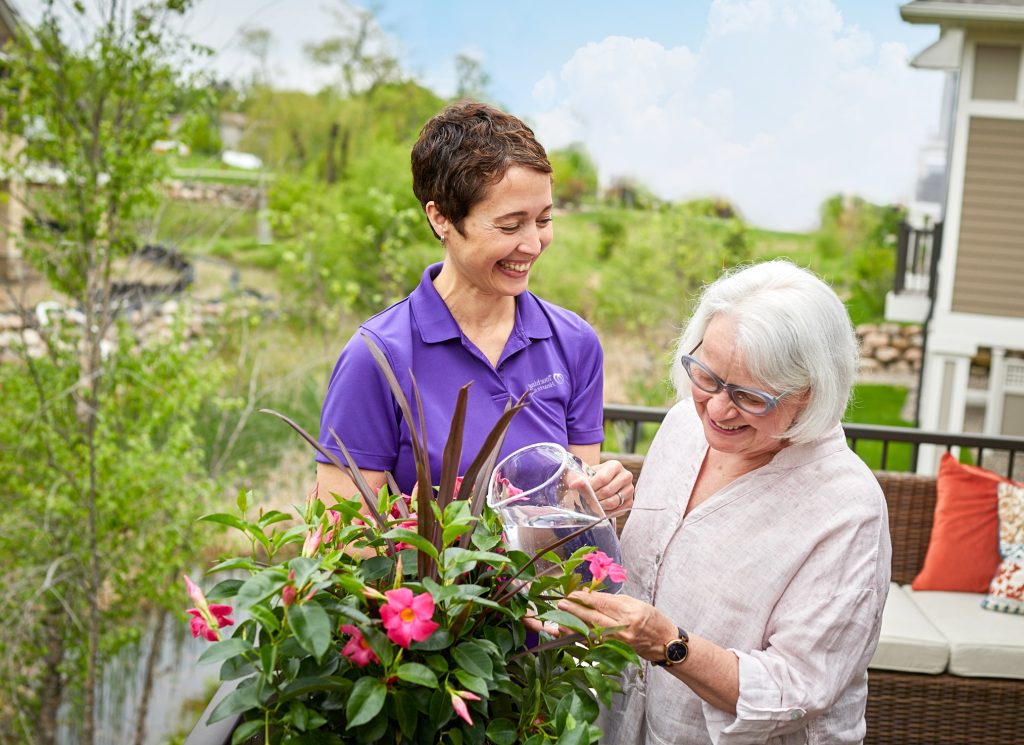
As the summer heat settles in, it’s crucial for older adults to take extra precautions to stay safe and healthy. Seniors are more vulnerable to heat-related illnesses like heat stroke, dehydration, and heat exhaustion. Understanding how to stay cool, hydrated, and protected during the summer months can help prevent health risks and ensure seniors remain comfortable and safe.
Why Are Seniors More Vulnerable to Heat?
Aging bodies have a harder time regulating temperature. As we age, our bodies lose some of their ability to sweat, and we may not feel thirsty even when we need fluids. Additionally, older adults often have chronic conditions or take medications that can impact their ability to cope with extreme heat. It’s important to recognize these risks and make safety a priority during the hottest months.
Top Heat Safety Tips for Seniors
-
Stay Hydrated
Dehydration is one of the biggest risks for seniors in the summer. As the body loses fluids, it can affect the kidneys, heart, and circulation, potentially leading to heat exhaustion or heat stroke. Seniors should aim to drink water throughout the day, even if they don’t feel thirsty. It’s recommended to avoid sugary or caffeinated drinks, as they can increase dehydration.
Hydration Tips:
- Drink at least eight 8-ounce glasses of water daily.
- Carry a water bottle to encourage frequent drinking.
- Consume hydrating foods, like fruits and vegetables (e.g., watermelon, cucumbers, and oranges).
-
Stay Cool Indoors
During extreme heat, it’s safest for seniors to remain inside air-conditioned spaces during the hottest part of the day (usually between noon and 3 p.m.). If air conditioning is unavailable, visiting a cooling center, library, or mall can provide relief.
Cooling Tips:
- Use fans or air conditioning to keep indoor temperatures comfortable.
- Take cool showers or baths to lower body temperature.
- Keep curtains or blinds closed during the day to block out heat from the sun.
-
Dress Appropriately
Lightweight, loose-fitting, and light-colored clothing can help seniors stay cool. Avoid dark-colored clothing as it absorbs heat, making it more difficult to regulate body temperature.
Clothing Tips:
- Wear a wide-brimmed hat to protect the face from the sun.
- Choose fabrics such as cotton or linen, which allow for better air circulation.
-
Limit Physical Activity
It’s important to avoid strenuous activities, especially during the hottest parts of the day. If outdoor activities are a must, try to schedule them in the early morning or evening when temperatures are cooler.
Activity Tips:
- Take breaks often and find shade or air conditioning.
- Avoid outdoor exercise on days with high humidity or extreme temperatures.
-
Monitor for Heat-Related Illnesses
Heat exhaustion and heat stroke are serious conditions that can happen quickly during hot weather. It’s important to know the signs of each and act promptly if they occur.
Signs of Heat Exhaustion:
- Heavy sweating
- Weakness or fatigue
- Dizziness or lightheadedness
- Nausea or vomiting
- Headache
- Cool, pale skin
Signs of Heat Stroke (Requires Immediate Medical Attention):
- Body temperature above 103°F (39.4°C)
- Hot, red, or dry skin (no sweating)
- Rapid, strong pulse
- Confusion, disorientation, or slurred speech
- Seizures or loss of consciousness
If any of these symptoms occur, get the person into a cool place, offer them fluids, and call 911 immediately if heat stroke is suspected.
Additional Resources on Heat Stroke Prevention
For more information about preventing heat-related illnesses and staying safe in the summer heat, you can explore resources from the Centers for Disease Control and Prevention (CDC).
Find the Closest Touching Hearts at Home Location to You
At Touching Hearts at Home, we understand the importance of keeping seniors safe and comfortable, especially during extreme weather. If your loved one needs help staying cool, hydrated, or simply requires companionship during the summer months, we are here to assist. Find the closest location to you to learn more about our in-home care services tailored to meet your loved one’s needs.
Disclaimer:
Touching Hearts at Home is a non-medical provider. The suggestions and recommendations shared in this blog post are not intended to replace professional medical advice. Always consult with your healthcare provider or doctor to address specific medical concerns.